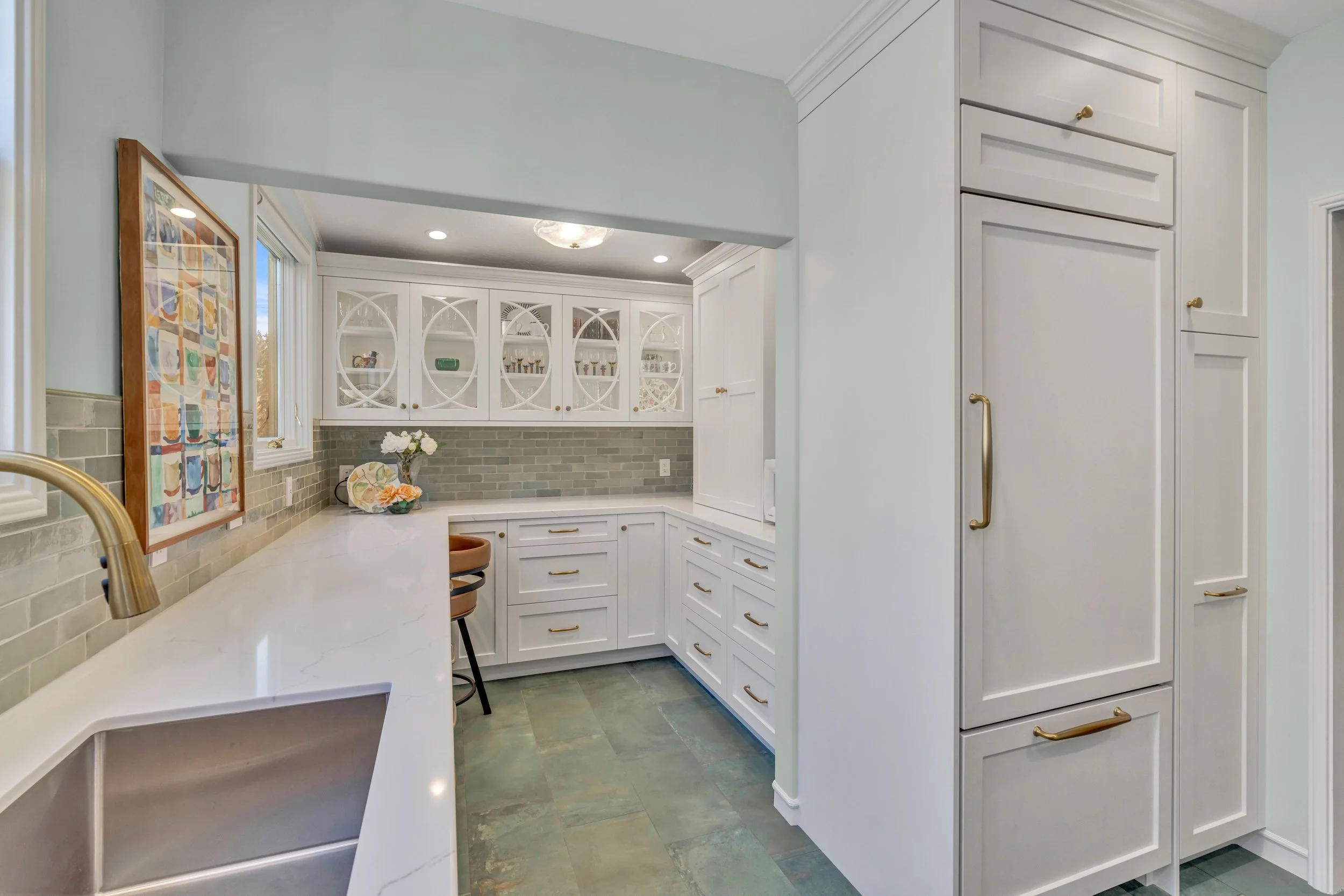
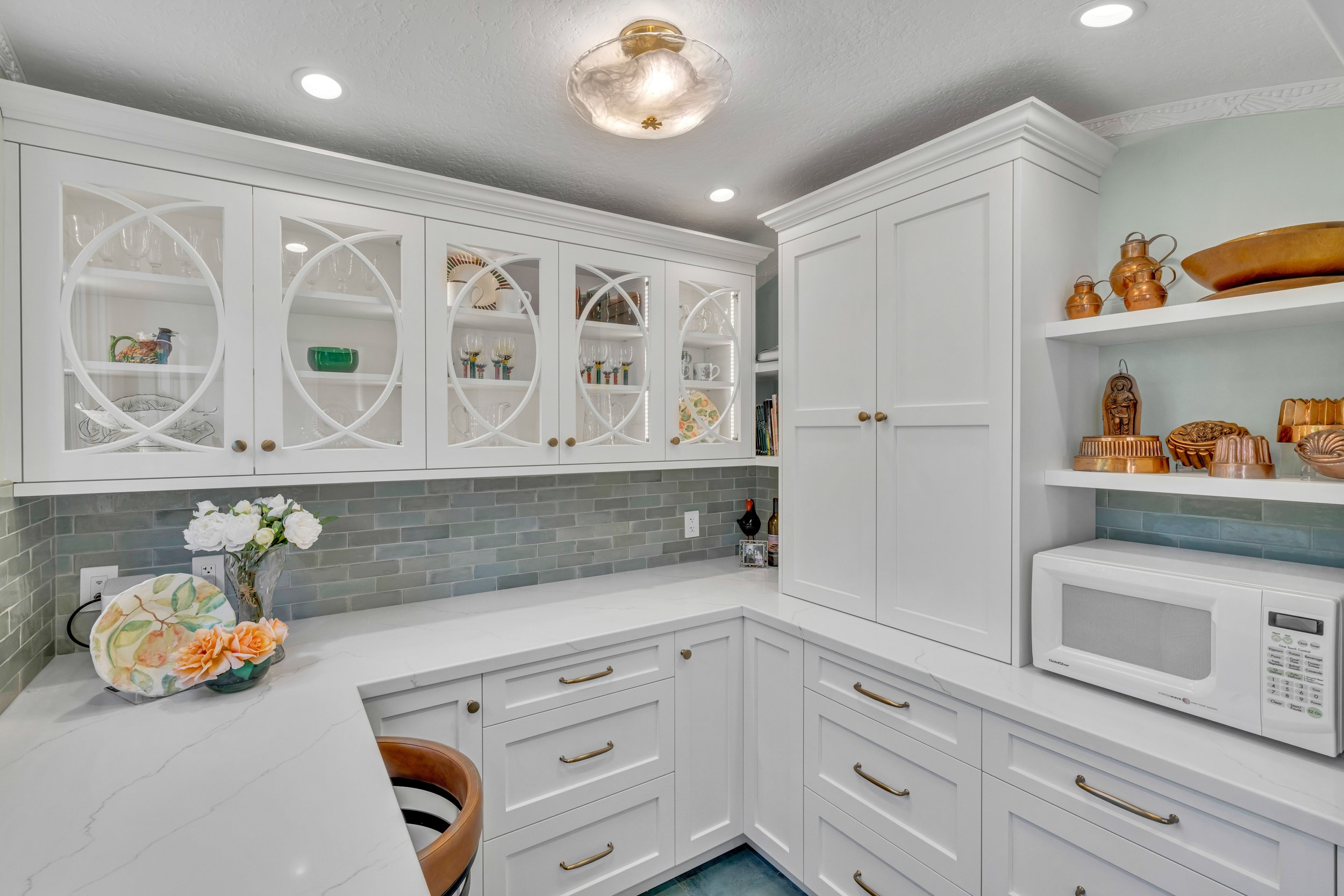
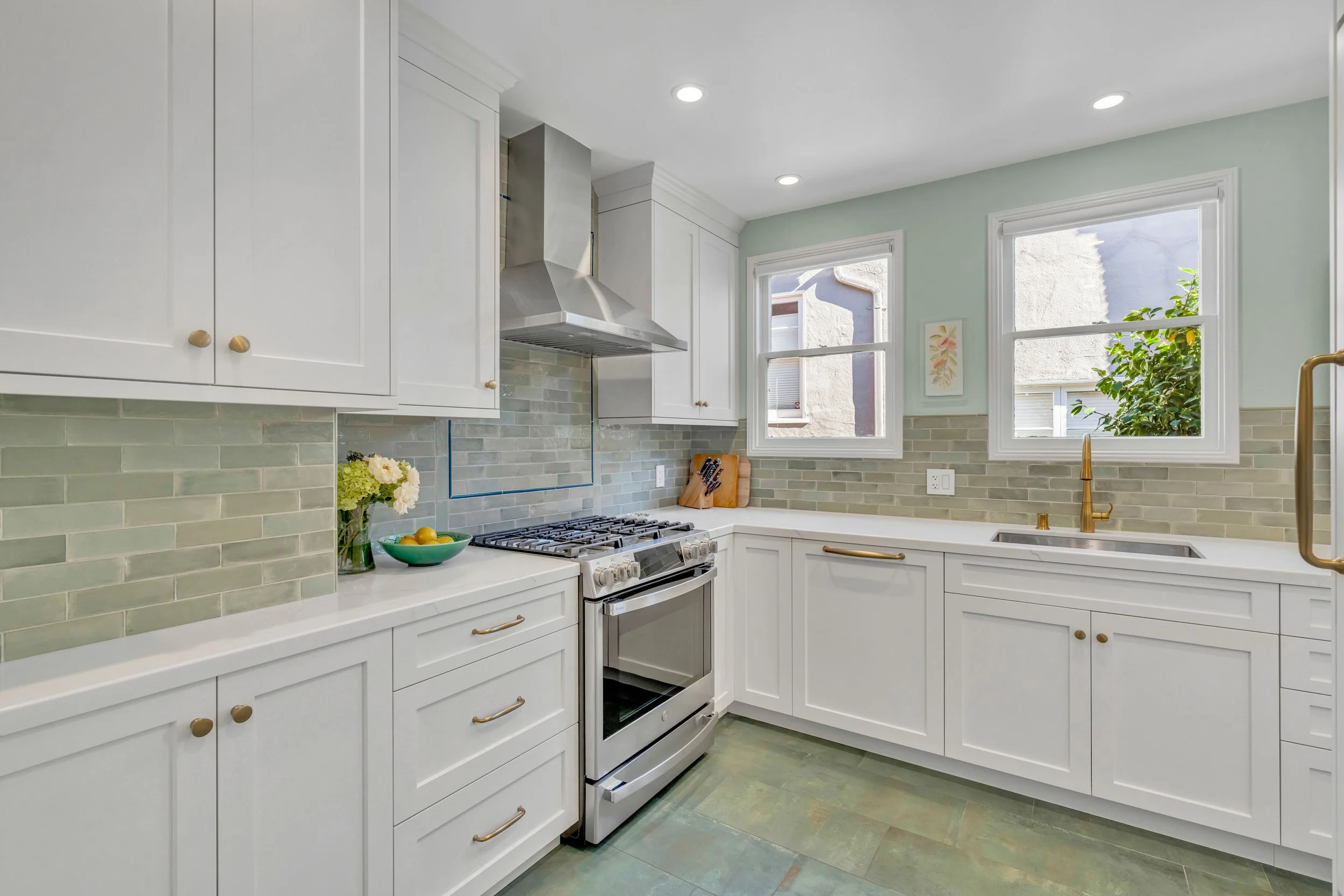
A kitchen or bathroom renovation is not simply a matter of selecting finishes. The design must coordinate dimensions, clearances, appliances, plumbing fixtures, storage, lighting, ventilation, accessibility, and the way people actually use the space.
That level of coordination is where professional certification matters
What Does Kitchen and Bath Certification Actually Require?
The National Kitchen & Bath Association (NKBA) Certified Kitchen & Bath Designer (CKBD) credential requires demonstrated knowledge of NKBA Kitchen & Bath Planning Guidelines and drawing standards, along with professional experience and successful completion of certification examinations.
For a client, that distinction matters. Certification verifies that a designer understands the technical requirements behind a functioning kitchen or bath—not simply how to specify cabinetry, tile, or plumbing fixtures.

How Does Precise Planning Affect the Final Design?
Kitchen planning requires precise attention to the relationships between work zones, appliances, cabinetry, and circulation.
A designer evaluates aisle widths, work clearances, appliance locations, landing areas, door swings, countertop dimensions, and storage requirements before the design reaches construction. In a bathroom, the same discipline applies to fixture clearances, circulation, vanity dimensions, shower layouts, and accessibility.
These decisions become especially significant when renovating older homes, where existing walls, plumbing locations, structural conditions, and irregular room dimensions can limit what is possible.
The objective is not to force a standard layout into an existing house. It is to determine which constraints matter, which can be modified, and where a design decision creates a downstream trade-off.
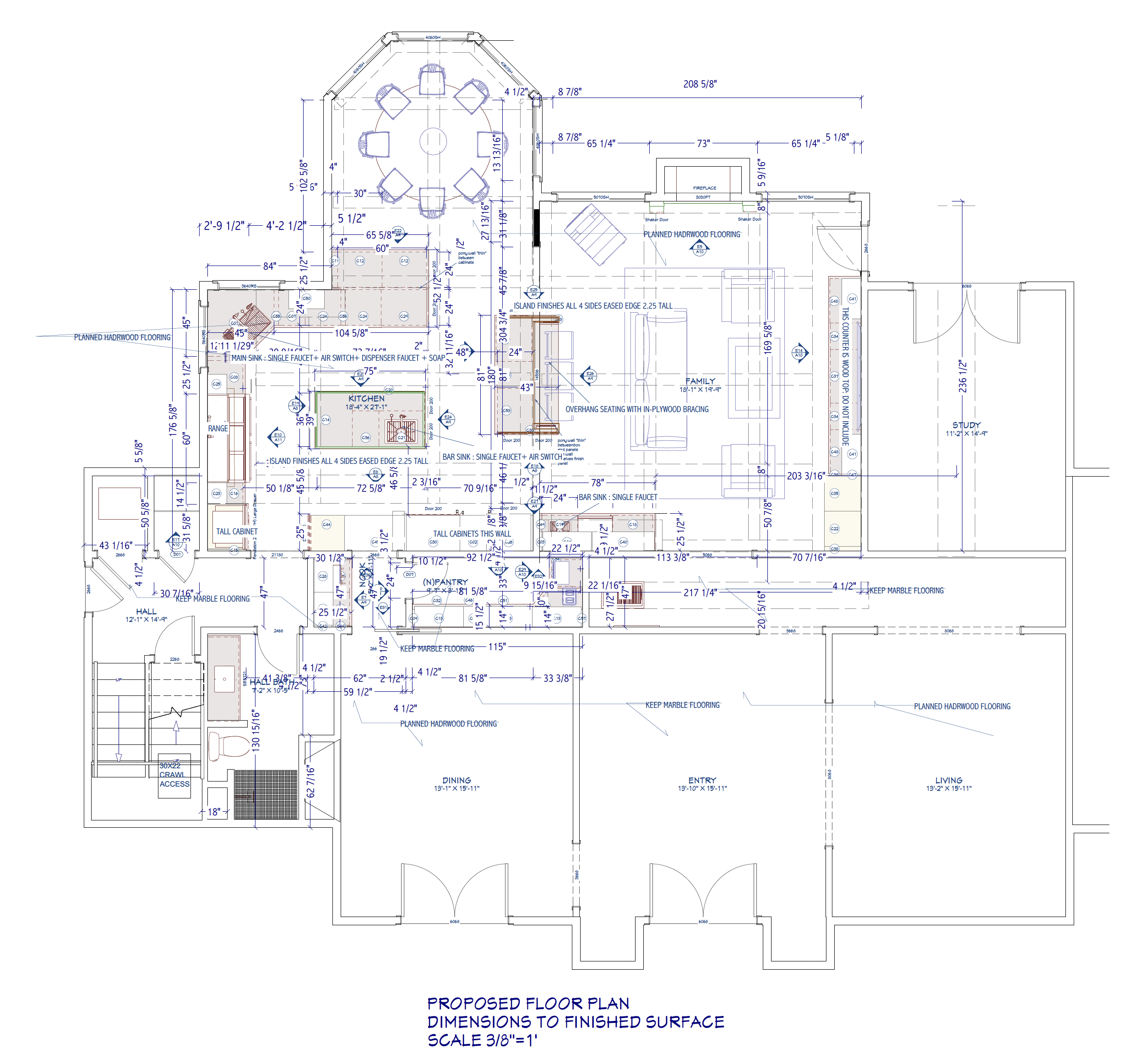
Proposed Floor Plan, including Kitchen Design
Why Does Continuing Education Matter?
NKBA certification also requires continuing education. Certified members must complete 20 hours of approved education during each two-year CEU cycle to maintain their credential. Education can address evolving standards, codes, ergonomics, accessibility, technology, materials, appliances, and other aspects of kitchen and bath design. That ongoing education is critical because renovation standards do not remain static.
What Does This Level of Expertise Mean for a Renovation?
For a high-end renovation, the value of a certified designer is found in the precision behind the finished space: fewer overlooked details, better coordination, and a design that performs as intentionally as it looks.
At Project Guru Design, we are dedicated to maintaining the current certifications and have been since 2013.
You can find our profile online at nkba.org/find-a-designer and search “Johanne Poulin”
We love what we do and we begin by listening—understanding how your household truly lives—then testing layouts in 3D to ensure every cabinet, walkway, and appliance placement aligns with your routines. We strive to make the process both efficient and deeply personal for our clients across the East Bay’s luxury home market.
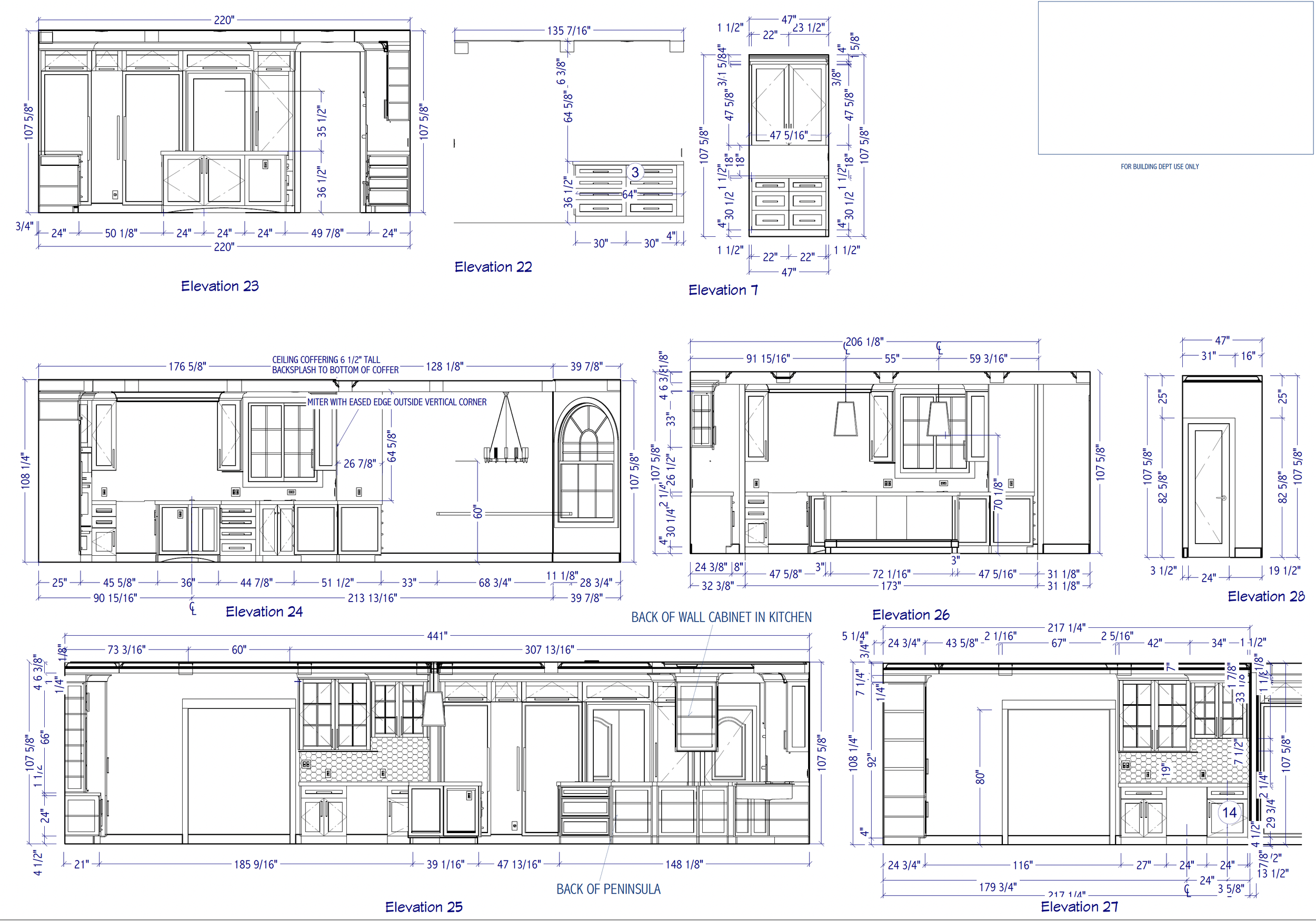
Elevations of a Kitchen
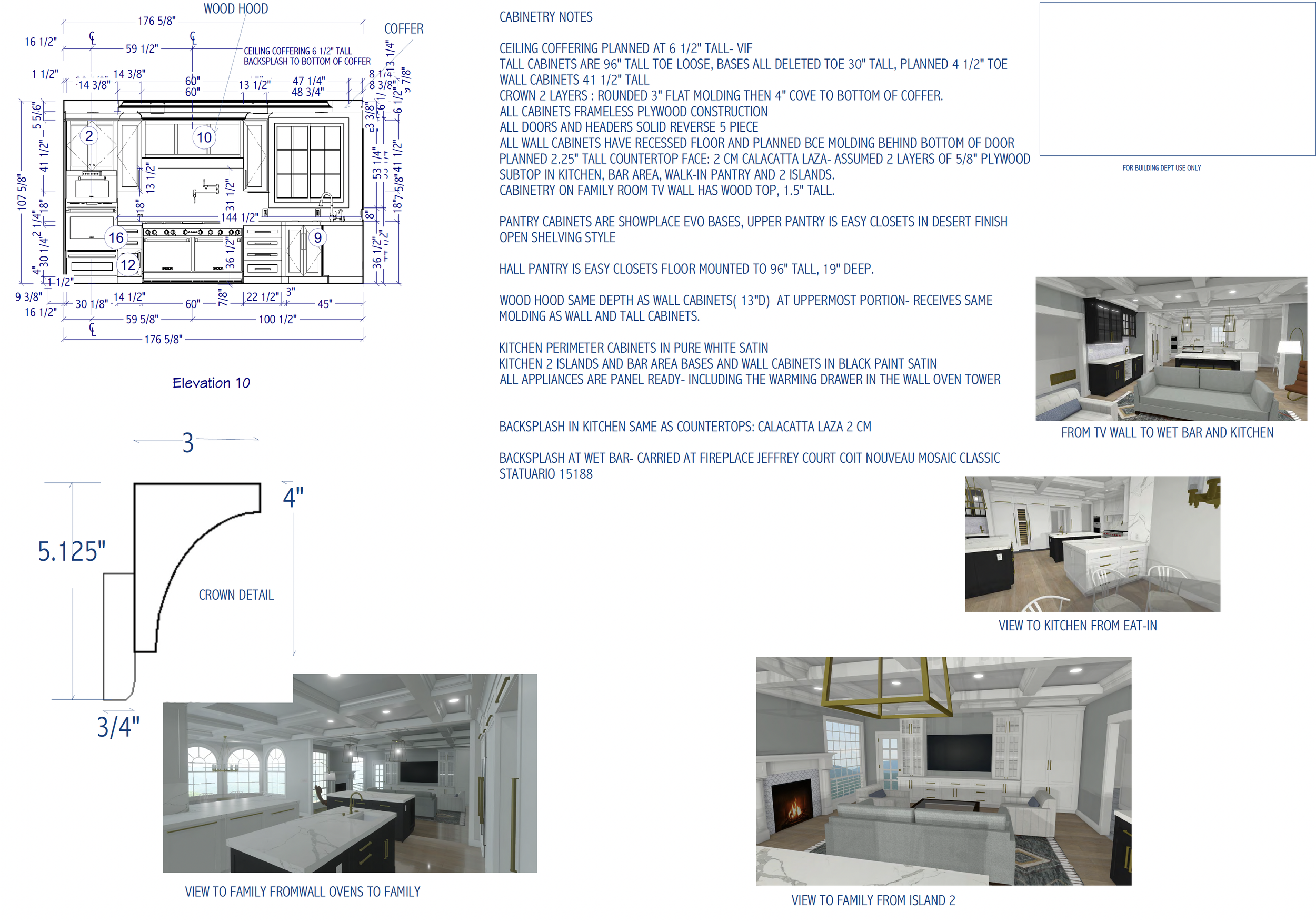
Cabinetry Notes and Renderings of the Proposed Kitchen